A BMW battery replacement is not always finished when the new battery is bolted in and the car starts. That can surprise drivers who are used to older vehicles, where a battery swap was mostly a matter of removing the old one, installing the new one, and tightening the cables. Many BMWs need one more step: battery registration.
Battery registration tells the vehicle’s computer that a new battery has been installed. Without that step, the charging system may continue treating the new battery as if it were the old, worn-out one. The car may start, the warning lights may be off, and everything may look normal at first, but the charging strategy can be wrong from the first drive.
BMW Charging Systems Are More Controlled Than Older Cars
Older charging systems were fairly simple. The alternator charged the battery, the voltage regulator controlled output, and the system did not need much information beyond basic electrical demand. Modern BMWs are much more involved.
Many BMW models monitor battery condition, battery age, temperature, electrical load, charging history, and driving patterns. The vehicle uses that information to decide how aggressively to charge the battery and when to reduce charging to improve efficiency.
That system works well when it has the right information. If the computer still thinks the battery is old, it may charge the new battery using a strategy meant for a battery near the end of its life.
What Battery Registration Actually Does
Battery registration resets the battery age and tells the vehicle that a new battery is installed. On many BMWs, this is done through the vehicle’s control modules using a scan tool capable of communicating with BMW systems.
The process does not magically improve the battery. It simply gives the vehicle accurate information so the charging system can manage the battery correctly. Think of it as updating the car’s memory after the part has been replaced.
If the battery type or capacity changes, that information may also need to be coded correctly. Replacing an AGM battery with a conventional flooded battery, changing amp-hour rating, or installing a different battery style without proper programming can create charging problems.
Why BMWs Track Battery Age
A battery does not accept charge the same way throughout its life. A new battery charges differently than one that has spent years handling heat, cold starts, short trips, and heavy electrical loads. BMW charging systems adjust based on that aging process.
As the battery gets older, the vehicle may increase charging output or change charging behavior to compensate. That may help the old battery last longer, but it is not the right strategy for a fresh battery.
If the system keeps using the old charging plan, the new battery may be overcharged or managed incorrectly. That can shorten battery life and lead to repeat electrical complaints sooner than expected.
The Intelligent Battery Sensor Plays A Big Role
Many BMWs use an Intelligent Battery Sensor, often called an IBS, near the negative battery terminal. This sensor monitors battery voltage, current flow, temperature, and state of charge. It sends that information to the vehicle so the charging system can make decisions.
The IBS is one reason BMW battery service should be handled carefully. Rough handling, incorrect connection, poor terminal contact, or battery replacement without proper registration can confuse the system. A weak connection at the battery can create warning messages, hard starts, or low-voltage faults in several modules.
Modern BMWs are sensitive to voltage. A battery or charging issue can cause symptoms that seem unrelated, from comfort features not working correctly to random dashboard warnings.
What Can Happen If The Battery Is Not Registered?
A BMW may still start after an unregistered battery replacement. That is what makes the issue easy to miss. The problems often show up later.
- The new battery may wear out faster because the vehicle is charging it with the wrong strategy for its age or type.
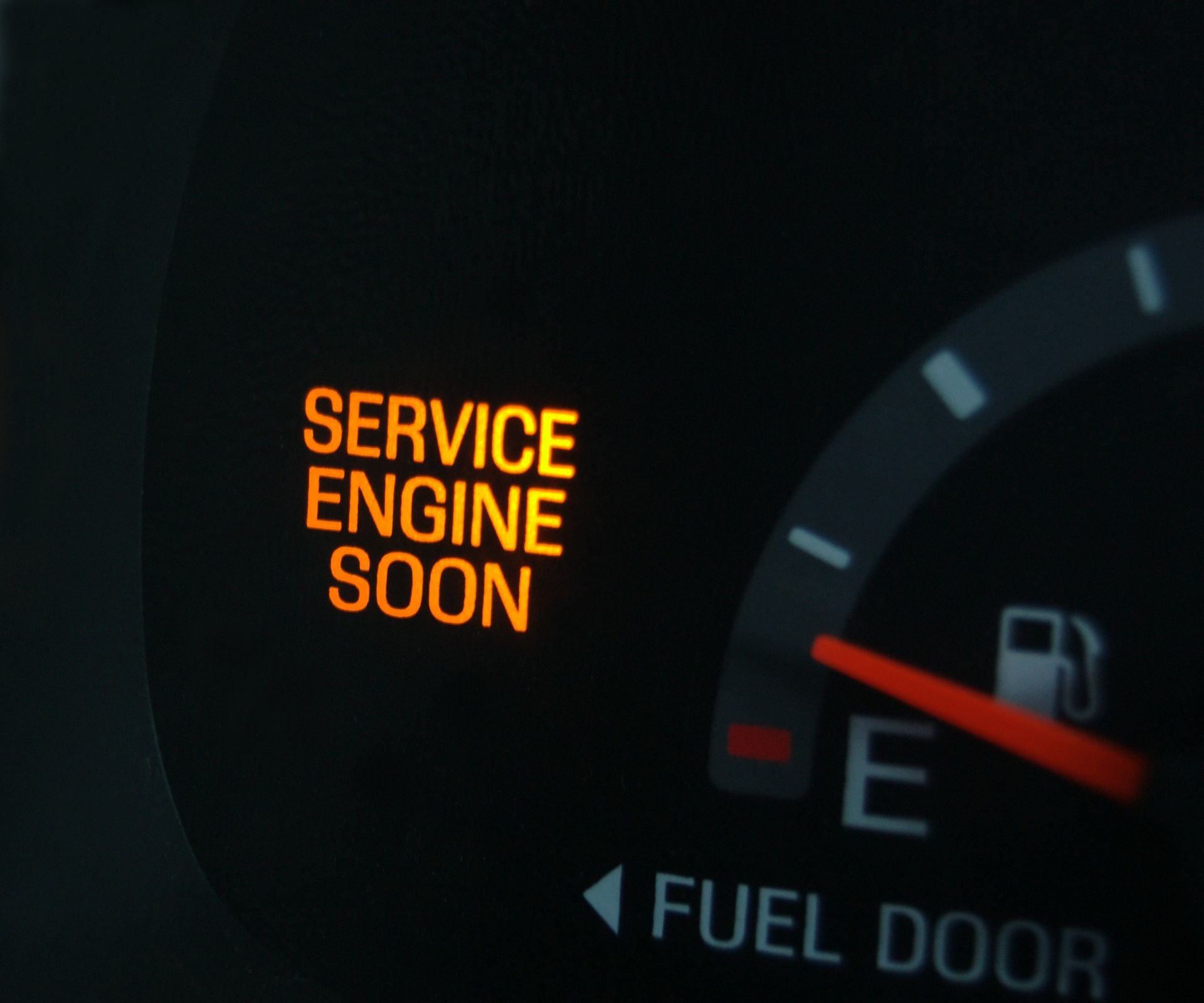
- Battery warning messages may return even though the battery itself is new.
- Start-stop features may stop working because the vehicle does not trust the battery state of charge.
- Electrical modules may store low-voltage codes that create confusion during future diagnostics.
- The charging voltage may behave oddly because the system is using outdated battery data.
- The owner may end up replacing another battery too soon without realizing the original installation step was skipped.
These problems are frustrating because the new battery can be blamed when the real issue is the vehicle not being told about it.
Battery Type And Capacity Need To Match The Vehicle
BMW battery replacement is not only about physical size. The battery must match the vehicle’s electrical needs. Many BMWs use AGM batteries because they handle heavy electrical demand, frequent cycling, and start-stop systems better than standard flooded batteries.
Capacity is important too. If the original battery was a certain amp-hour rating, installing a different rating may require coding so the car knows what it is managing. The wrong battery may fit in the tray and start the vehicle, but that does not mean it is the right battery for the charging system.
A proper replacement should confirm the battery type, capacity, fitment, venting, terminal condition, cable condition, and registration requirement.
Why BMW Battery Problems Can Look Like Other Issues
Low voltage can make a BMW act strange. A weak battery, a failing alternator, poor ground, a corroded terminal, or an unregistered replacement can trigger warning messages across several systems. The car may complain about steering, transmission, lighting, comfort access, start-stop, or other electronics even when those systems are not the original cause.
That is why battery testing should include more than checking whether the engine starts. The battery, alternator, charging data, grounds, cables, IBS sensor, and stored faults should be reviewed together.
Regular maintenance and correct battery service help prevent electrical confusion. With a BMW, clean voltage and accurate battery information are part of keeping the vehicle dependable.
Get BMW Battery Replacement In Nashville, TN, With Snider Automotive
If your BMW needs a new battery, has battery warnings, slow starts, start-stop problems, or electrical messages after a battery replacement, Snider Automotive in Nashville, TN, can test the battery and charging system, install the correct battery, and properly register it in the vehicle’s electronics.
For BMW battery replacement and registration done the right way,
contact us to schedule an appointment.