When your BMW takes a long time to heat up inside, it can turn an easy drive into a cold, foggy mess. Most of the time, the car is still drivable, which is why people put it off. But slow cabin heat is usually a clue about coolant temperature, airflow, or how the HVAC system is directing air.
If you catch the cause early, you can often avoid the domino effect that comes from running too cool, running low on coolant, or overworking components.
How BMW Cabin Heat Is Supposed To Warm Up
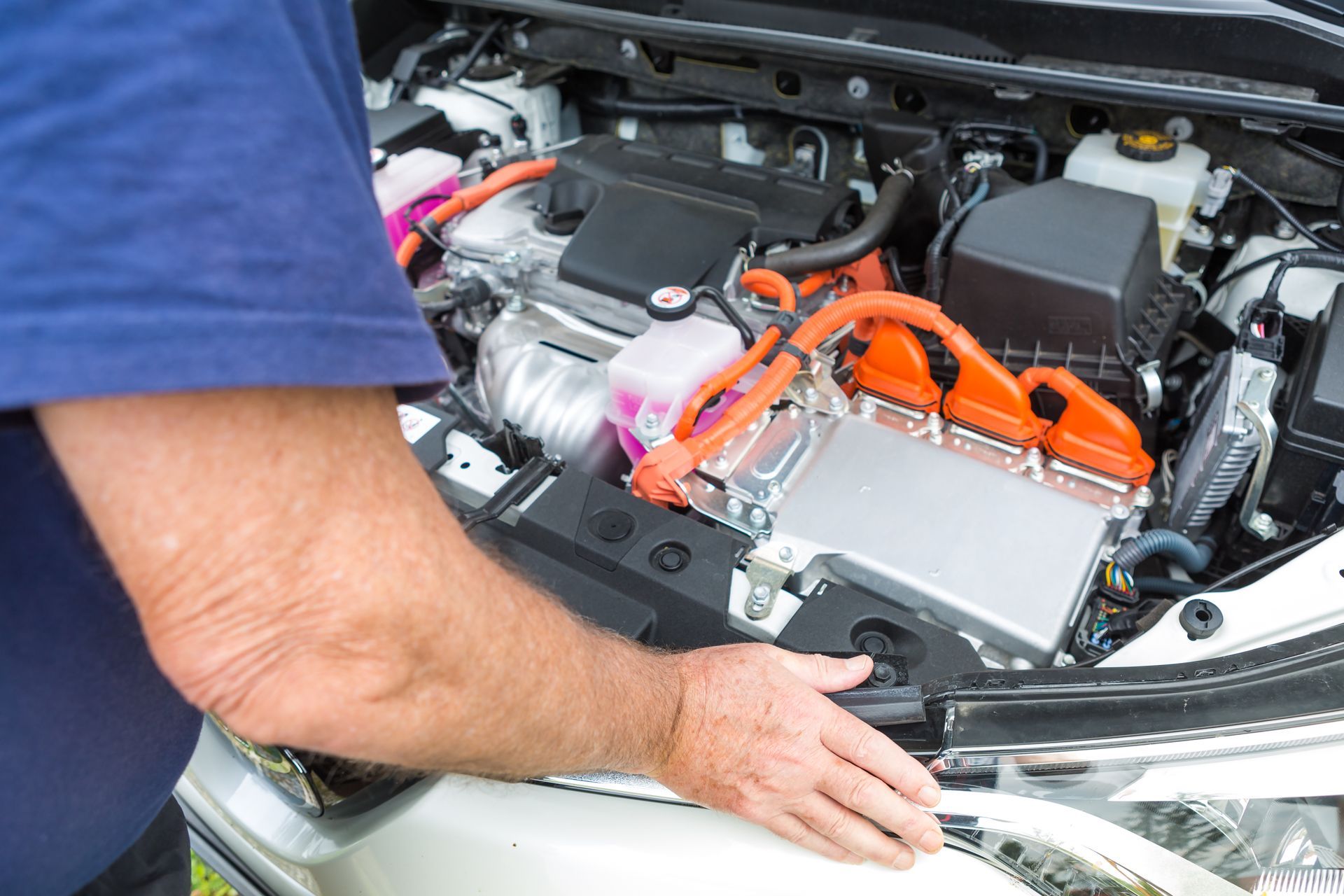
Cabin heat starts with engine heat. As the engine warms up, coolant heats up too, and that hot coolant flows through the heater core inside the dash. Air blows across the heater core and then into the cabin at whatever temperature you’ve selected. A thermostat helps the engine reach operating temperature at the right pace by controlling coolant flow.
Many BMW models also rely on electronic controls to manage temperature and airflow, so a small sensor or actuator issue can change what you feel inside the car. In our bays, we usually start by confirming the engine is warming up normally, then we work forward from there.
1. Thermostat Stuck Open Or Opening Too Early
A thermostat that’s stuck open, or one that opens too soon, can keep the engine running cooler than it should. The car may still drive fine, but the heat output will be weak for a long time, especially on colder days. You might notice the temperature gauge takes longer than usual to climb, or it never seems to settle where it used to.
This can also show up as heat that improves at idle but cools off again while driving, because the engine never fully reaches temperature with airflow through the radiator. Slow warm-up is one of the most common patterns we see when the thermostat is aging out.
2. Low Coolant Level Or Air Pockets In The System
Low coolant can make cabin heat inconsistent, and sometimes it’s the first thing a driver notices. If the level is low enough, the heater core may not get a steady flow of hot coolant, so you get lukewarm air or heat that comes and goes. Air pockets can create a similar effect, especially if the cooling system has been opened recently or if there’s a slow leak.
If you’ve had to top off coolant more than once, even a small amount, treat it as a sign that something is leaking or venting. BMW cooling systems tend to be sensitive to low levels and trapped air, so it’s worth addressing before it turns into overheating or repeated low coolant warnings.
3. Water Pump Or Coolant Flow Issues
On many BMWs, coolant flow depends heavily on an electronically controlled water pump and related controls. If pump performance is weak or the system isn’t circulating coolant as it should, you can end up with slow cabin heat and unstable temperature control. Sometimes the heat is weaker at idle, then improves once you’re driving. Other times it’s the opposite.
This is one of those issues where the pattern matters. If you notice heat changes with RPM, vehicle speed, or accessory load, it can point toward a flow problem rather than a simple thermostat issue. Proper testing is the difference between swapping parts and fixing the actual cause.
4. Heater Core Restriction Or Temperature Door Problems
If the engine reaches temperature normally but the cabin stays cold, the problem may be inside the HVAC box. A partially restricted heater core can limit heat transfer, making the car feel like it takes forever to warm up, even though the engine is ready. Restrictions can come from old coolant, mixed coolant types, or sediment that builds up over time.
Temperature doors inside the dash can also cause trouble. If the blend door isn’t moving fully, or an actuator is sticking, the system may be mixing in too much cool air. A common clue is uneven heat side to side, like the driver side is warmer than the passenger side, or heat that changes when you switch modes.
5. Weak Airflow From A Clogged Cabin Filter Or Blower Issue
Sometimes the heat is there, but it’s not moving into the cabin well. A clogged cabin air filter can reduce airflow enough that the cabin warms slowly, especially in the first few minutes of driving. It can also make the defroster feel lazy, which further contributes to fogging.
Blower issues can stack on top of that. If the fan speed is inconsistent, noisy, or weaker than it used to be, the cabin may never feel comfortable until the engine has been running for a long time. This is also easy to miss because people assume slow heat always means an engine-temperature problem.
Driver Habits That Can Make Warm-Up Take Longer
Short trips are a big one. If you drive a few minutes at a time, the engine may never spend long enough at full operating temperature to keep the cabin comfortable. Using max defrost with low fan speed can also slow the process, because you’re not moving enough air across the glass and heater core.
Another common issue is leaving the system in recirculation too often. Recirculation has its place, but if the cabin is damp from wet shoes and winter air, it can trap humidity and make the windows fog faster. If you’re dealing with slow heat and fogging at the same time, airflow settings and cabin moisture become part of the fix.
Get Vehicle Heater Service In Nashville, TN, With Snider Automotive
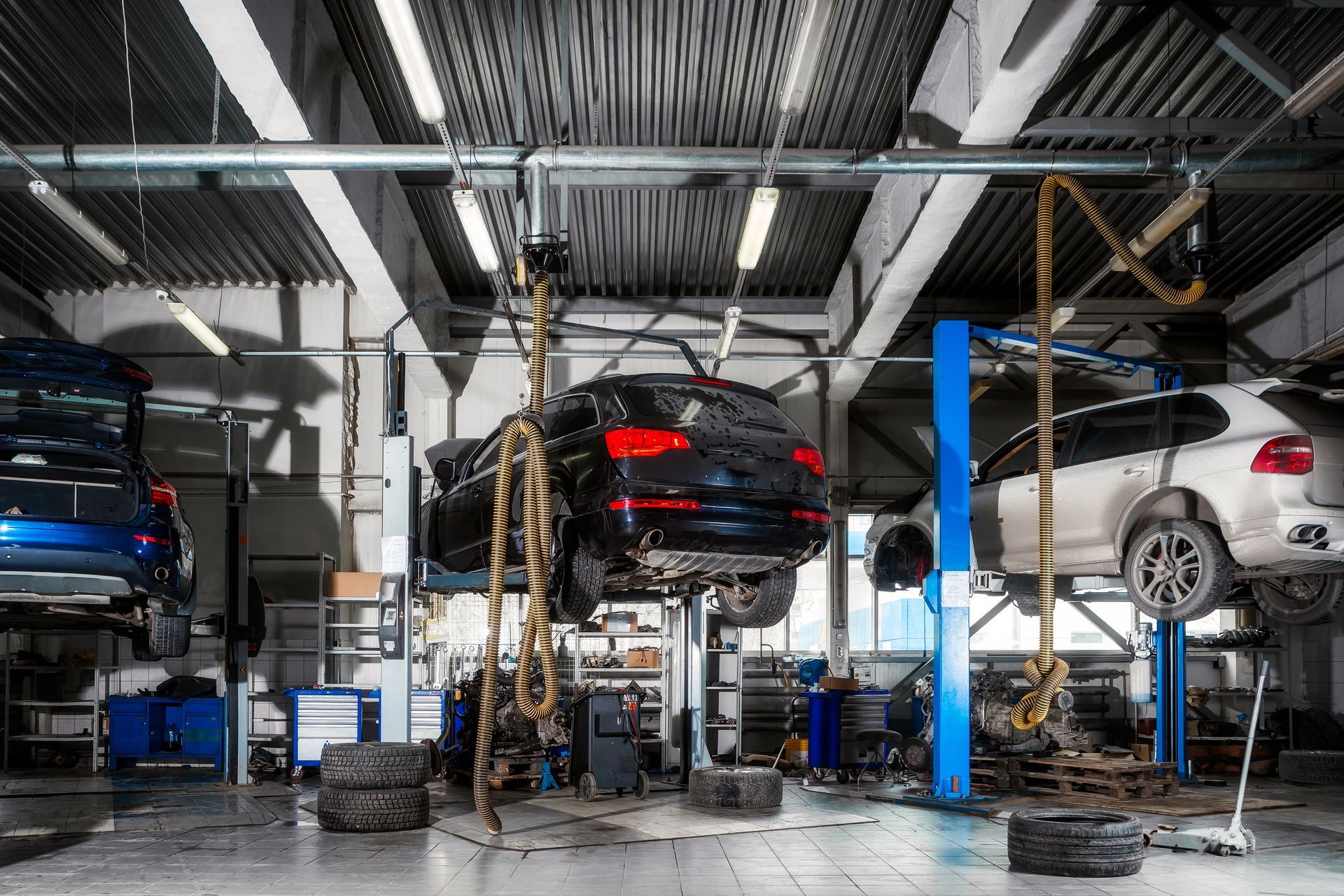
If your BMW is taking too long to warm up inside, we can check the coolant level, verify warm-up behavior, inspect the thermostat and cooling system operation, and confirm the HVAC system is directing heat the way it should. We’ll explain what we find and help you choose the next step based on what your car is actually doing.
Book a visit with
Snider Automotive in Nashville, TN, and let’s get your heat working the way you expect on cold mornings.