When a BMW is in good shape, you can feel it within the first few blocks. The engine pulls cleanly, the steering feels precise, and the transmission responds right when you ask it to. When maintenance slips, that sharp feel fades slowly, so you might not notice it until the car suddenly feels “tired.” Keeping performance where it should be is mostly about doing the right things on schedule and paying attention to small changes before they turn into big ones.
Why Regular Maintenance Matters More on a BMW
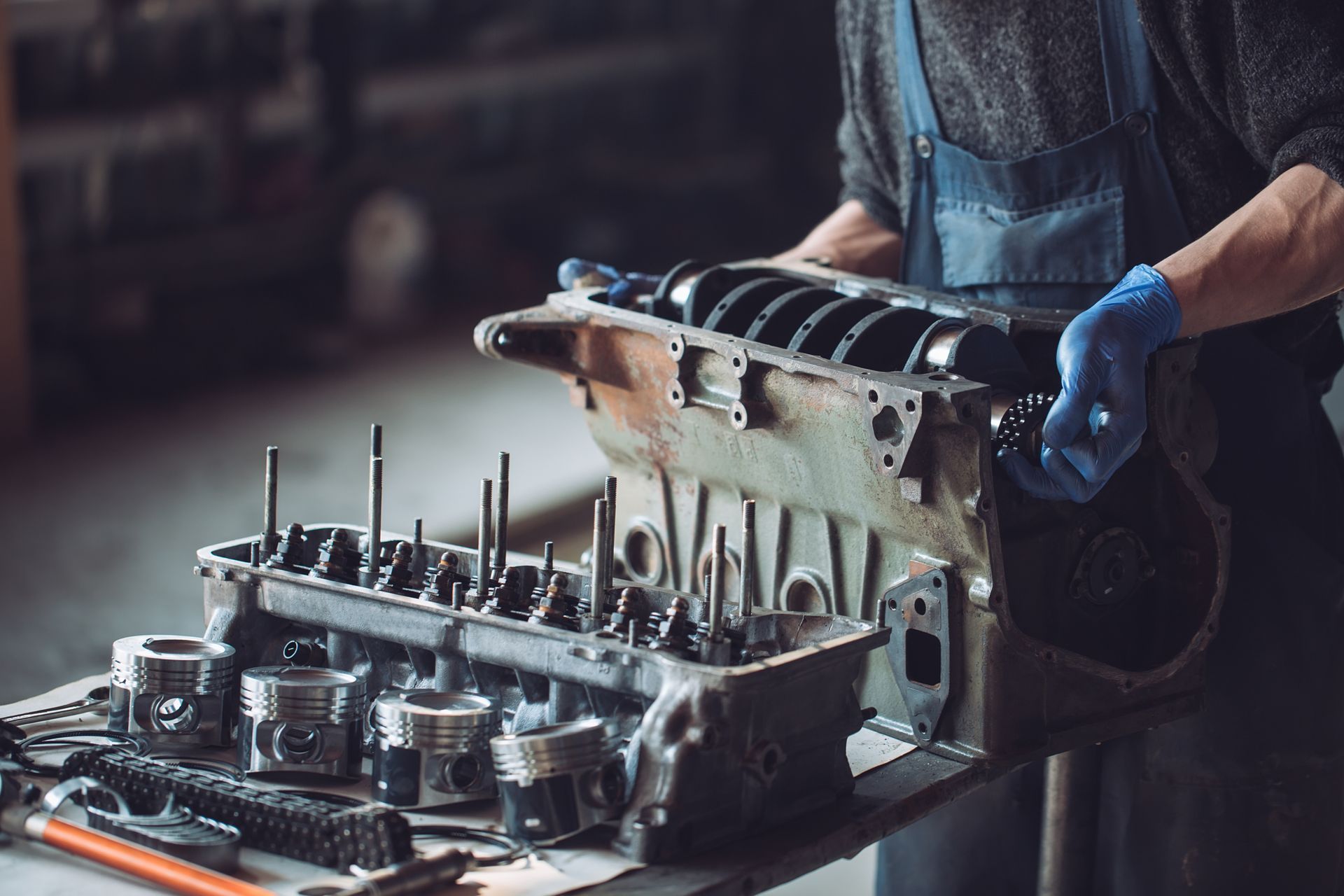
BMW engines, transmissions, and suspension are tuned for response, which means they live closer to the edge than a basic commuter car. Tight tolerances, higher operating temperatures, and features like variable valve timing mean they are less forgiving of skipped services and cheap fluids. When oil gets old or filters plug up, the engine management system starts compensating, and you feel it as hesitation, rough idle, or weaker pull at higher rpm.
Treating the service intervals as a hard limit instead of a suggestion goes a long way. Shorter trips, hot weather, and spirited driving all work the car harder than the maintenance schedule assumes. A BMW-focused technician will usually ask about how you drive and adjust recommendations slightly so the car stays in its sweet spot.
Oil, Filters, and Fluids That BMWs Depend On
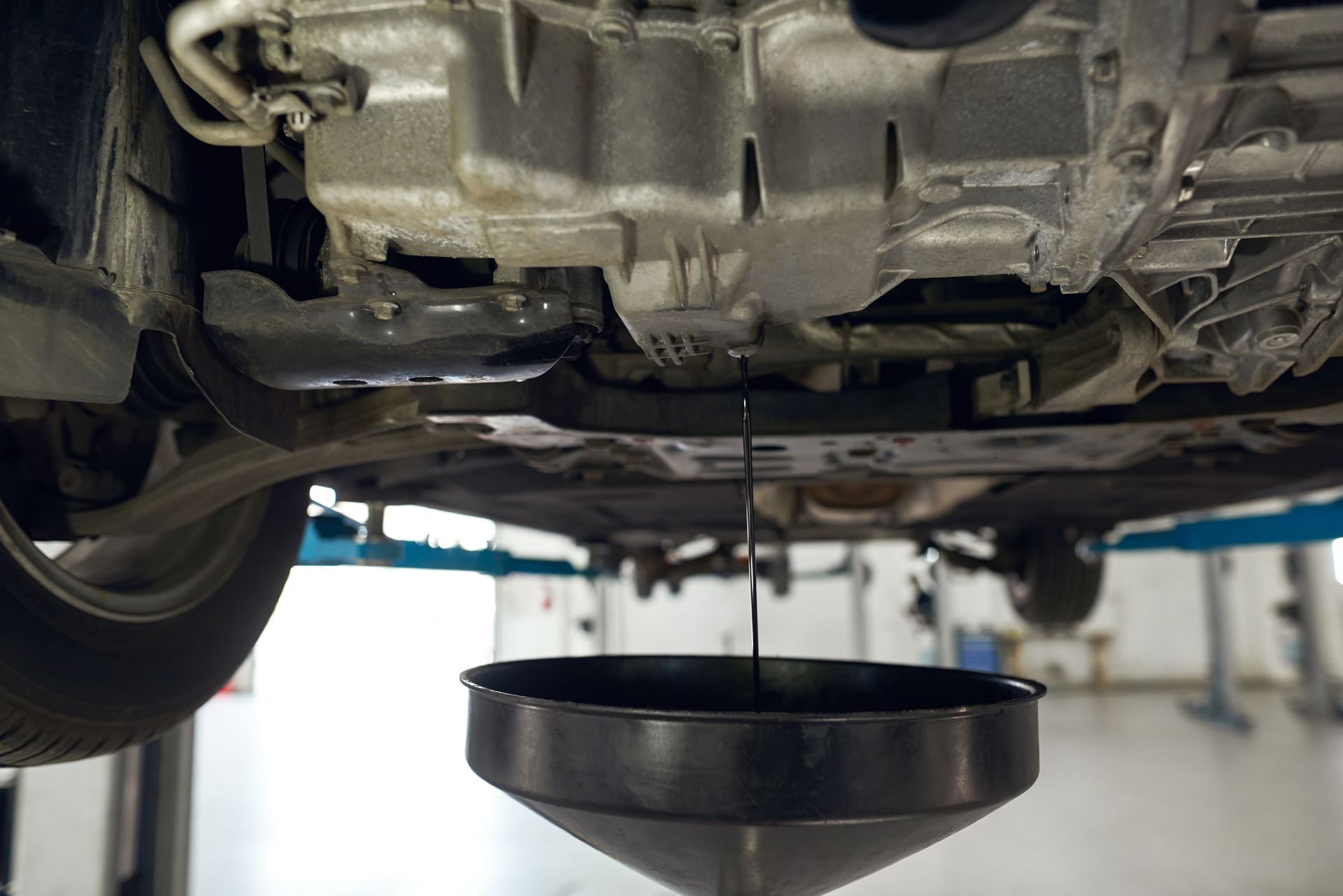
Oil quality plays a huge role in how smooth and strong a BMW engine feels. These engines rely on proper oil pressure and cleanliness for variable valve timing and, on many models, turbochargers. Once the oil is past its prime, timing components can start to sound noisy, and turbos lose some of their crisp response. Staying with BMW-approved oil specs and realistic change intervals is one of the most important steps you can take.
Air, fuel, and cabin filters all affect how the car behaves day to day. A restricted air filter can dull throttle response, while a dirty fuel filter can starve the engine during hard acceleration. Coolant and brake fluid often get ignored until there is a problem, yet both influence performance. Old coolant lets temperatures swing more than they should, and old brake fluid can let the pedal feel soft when you really lean on the brakes.
Common BMW Performance Killers You Can Feel While Driving
There are a few common issues we see that knock a BMW off its game long before it leaves you stranded. Many of them show up as subtle changes behind the wheel:
- Rough or lumpy idle, especially on cold starts
- Hesitation or flat spots when you accelerate from low rpm
- Loss of power climbing hills or merging onto the highway
- Delayed or harsh shifts from the automatic transmission
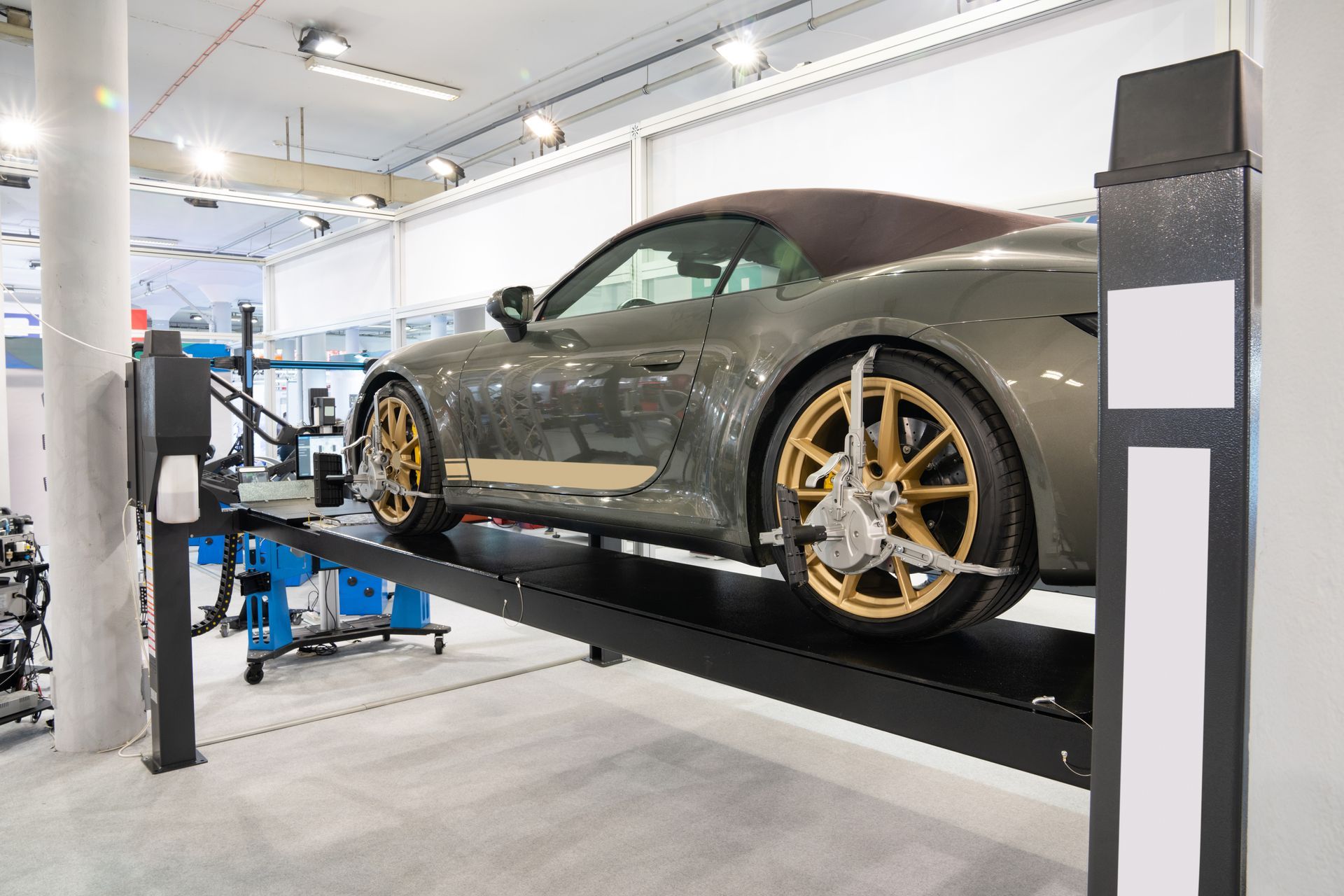
- Steering that feels less precise or needs more correction
- New vibrations under load that were not there before
These do not always mean something catastrophic is happening, but they are early hints that ignition parts, sensors, fuel delivery, or suspension pieces are due for attention.
Smart Driving Habits That Protect the Engine and Transmission
How you drive your BMW between services makes a noticeable difference in how long it feels strong. Cold starts are one of the harshest times for engines. Giving the car a minute of gentle driving before heavy throttle lets oil circulate, and components warm up evenly. Jumping straight into high rpm on a cold engine speeds up wear on timing chains, turbo bearings, and piston rings.
It also helps to give the transmission a fair chance. Letting the vehicle come to a full stop before shifting between reverse and drive, and avoiding full-throttle launches every time a light turns green, reduces stress on clutches and mounts. Taking the car on a decent highway run now and then helps burn off moisture and deposits that build up with nothing but short trips.
When Warning Lights and Noises Are Telling You Something
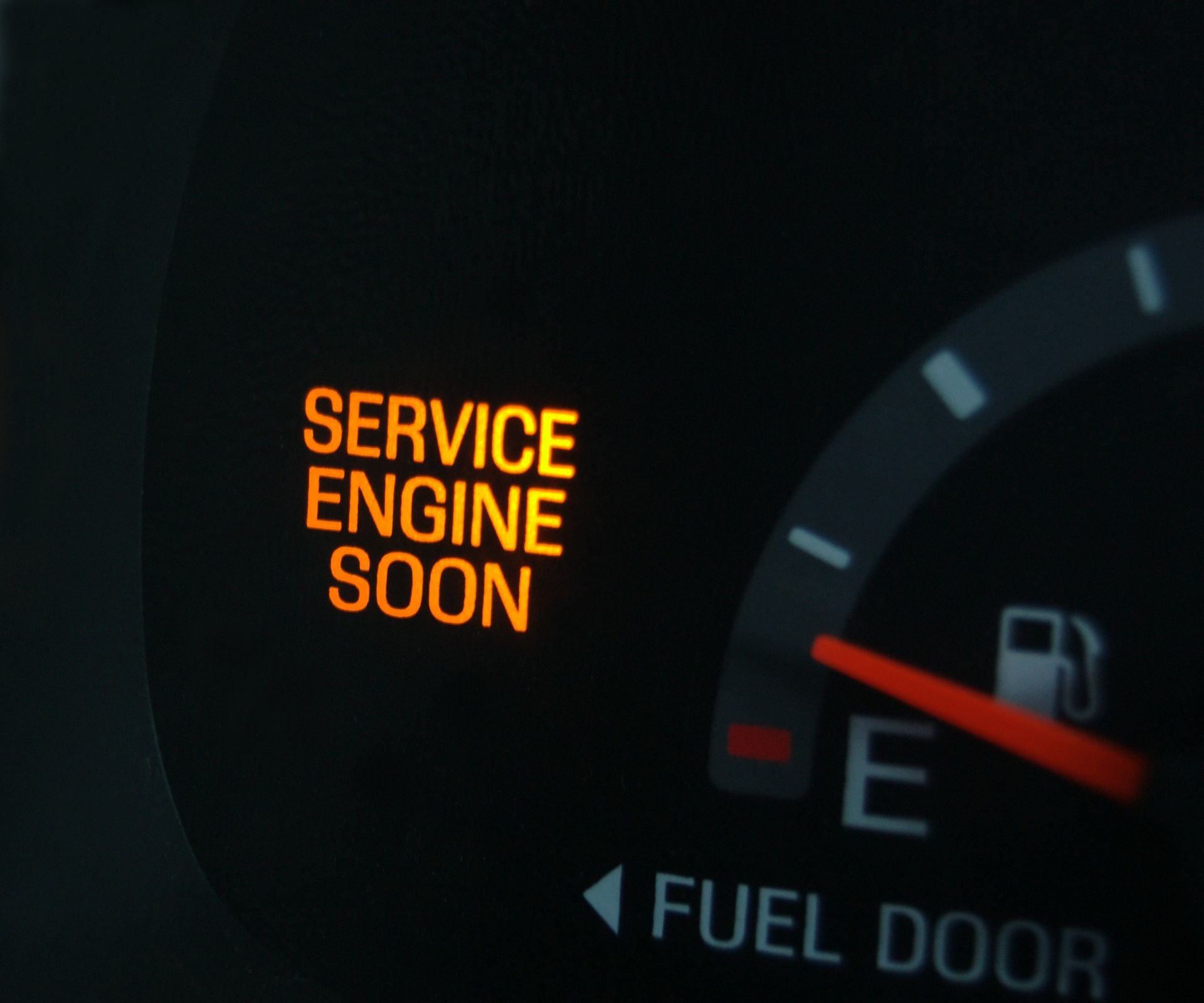
Modern BMWs are good at telling you when something is off, but those warnings work best when you respond early. A check engine light, drivetrain warning, or reduced power message may still allow the car to move, yet that does not mean you should keep driving for weeks. Many of these warnings are triggered by misfires, low boost, or sensor faults that, if ignored, can damage catalytic converters or turbos.
Noises matter too. A new rattle at idle, a ticking sound on cold starts, or a whine from the accessory drive are all worth mentioning. From our side, those sounds help narrow down whether we are dealing with belts, pulleys, timing components, or something more serious. Catching problems at this stage usually keeps the repair smaller and preserves performance.
After-Service Checks to Make Sure Your BMW Still Feels Right
Any time work is done on a performance-oriented car, it is worth paying attention to how it behaves right afterward. A good test drive should confirm that the engine pulls smoothly, the transmission shifts cleanly, and the steering feels centered. If something feels different in a bad way, such as a new vibration, pull, or warning light, it is better to bring it up immediately instead of waiting for the next visit.
We like to think of maintenance as a loop instead of one-time events. Each service builds on the last: notes about minor oil seepage, slightly worn bushings, or borderline tires help shape the next visit. That ongoing record is what keeps a BMW feeling tight and responsive over the long term rather than slowly drifting into “just okay.”
Get BMW Performance Service in Nashville, TN with Snider Automotive
We work with BMW models every day and know what they should feel like when everything is working together. We can inspect your fluids, ignition parts, suspension, and driveline, then prioritize any work needed to keep performance where it belongs.
Call
Snider Automotive in Nashville, TN, to schedule BMW performance service and keep your car feeling sharp on every drive.