BMW owners who switch between an EV and a gas model often expect the maintenance list to be completely different. In reality, many of the same wear items still determine how the car feels and how reliable it is day to day. The confusing part is that EV ownership shifts your attention away from some engine-related services, so it’s easy to miss the overlap.
Here’s what truly stays the same, and what changes enough to plan differently.
Service Overlap: What Stays The Same
Both EV and gas BMWs still rely on tires, brakes, steering, suspension, cooling, and electrical health to drive correctly. If any of those areas are neglected, the car can feel off even if the powertrain itself is fine. That’s why we treat the chassis and safety items as the shared foundation, regardless of what powers the wheels.
A good approach is to keep a consistent routine for the shared items, then layer the powertrain-specific services on top. One thorough inspection each year can catch uneven tire wear, small leaks, and early bushing wear before they turn into bigger bills.
Oil And Filters Still Matter On BMWs
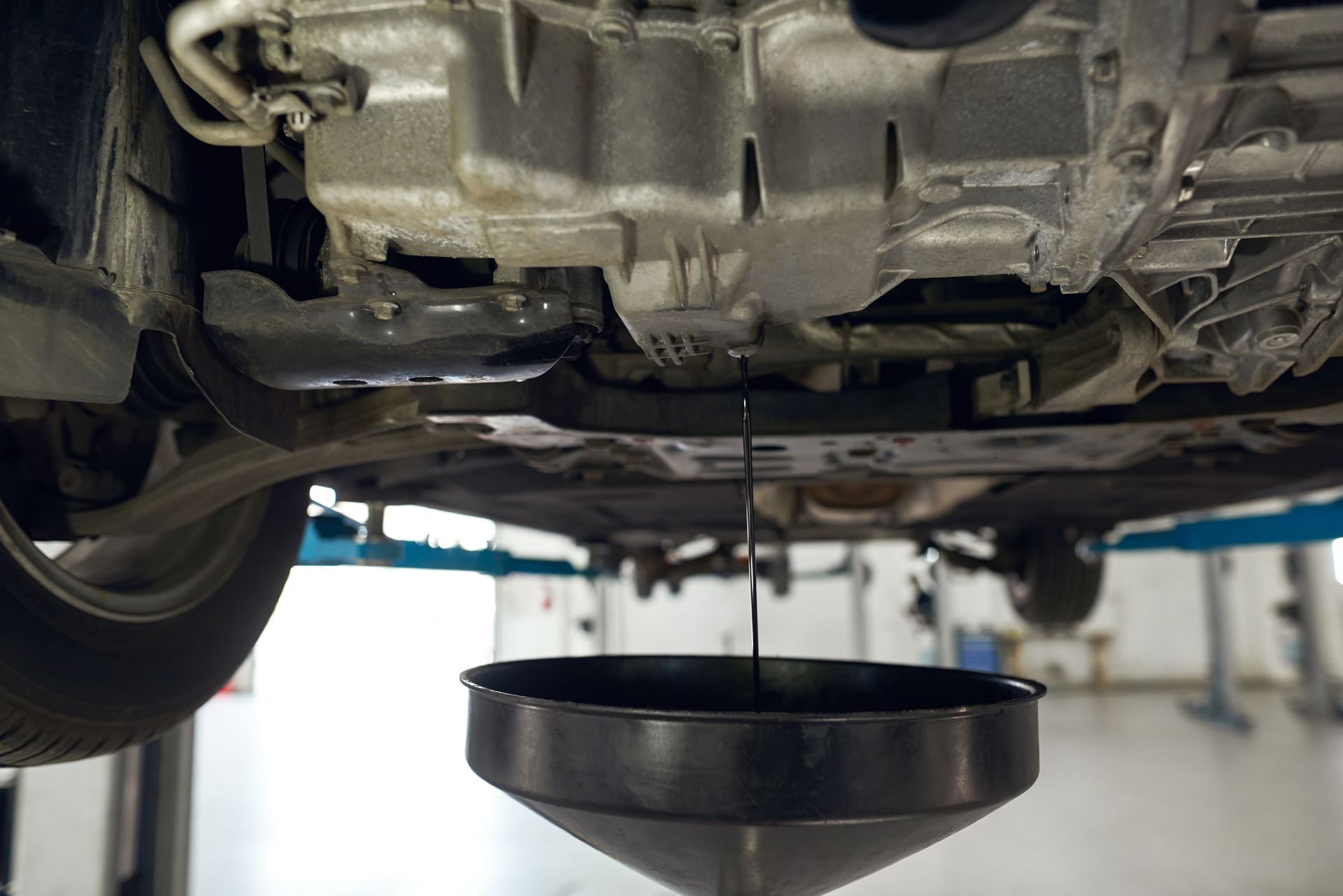
If you own a gas BMW, oil service remains the top priority, and intervals should match your driving habits, not just a calendar reminder. Short trips, heavy traffic, and longer idle time tend to age oil faster. You may not feel the difference right away, but it shows up later in how the engine behaves as mileage climbs.
On the EV side, you obviously skip oil changes, but filters still matter. Cabin air filters are shared, and they affect HVAC performance and interior comfort more than most people expect. Keeping filters current is one of those basic wins that falls under regular maintenance and pays off in daily driving.
Cooling Systems: Two Worlds, Similar Basics
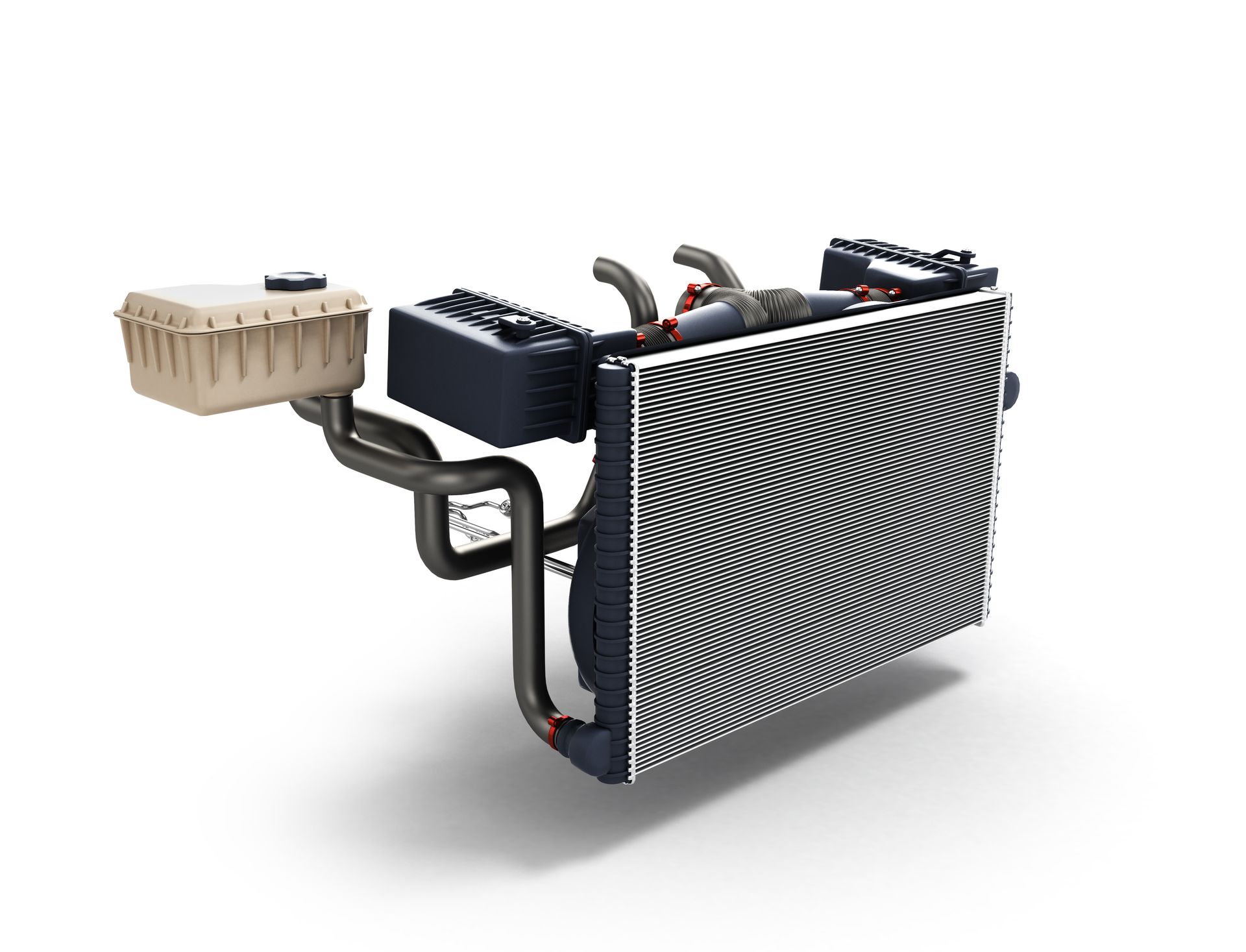
Both EV and gas BMWs depend on cooling systems that have to manage heat consistently. Gas models use coolant to stabilize engine temperature and support HVAC heating. EVs use coolant loops to manage battery and power electronics temperatures, and that affects charging speed and performance more than most owners realize.
The services overlap in the way you think about them. You want proper coolant level, correct coolant type, and hoses and connections that are not seeping. If a gas BMW runs hot, you feel it quickly. If an EV thermal system struggles, it may show up as reduced power or slower fast charging, which feels more subtle but still matters.
Brakes, Tires, And Suspension Wear The Same Way
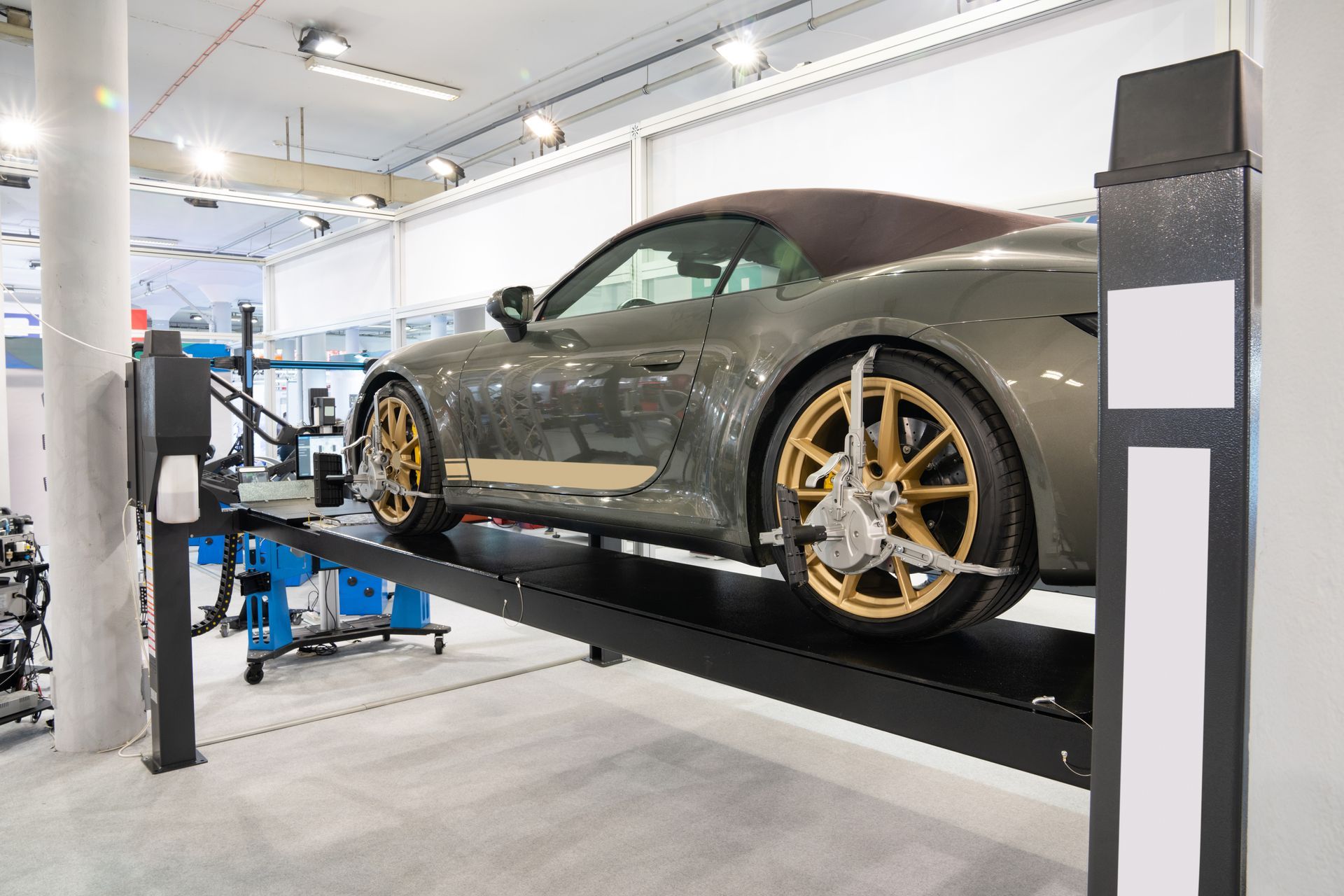
This is the big overlap most people underestimate. Weight, torque, and road conditions still wear tires and suspension parts on both types of BMWs. EVs can be tougher on tires because they are heavier and deliver instant torque. Gas models can wear tires quickly too, especially if alignment is drifting or pressures are not kept consistent.
Brakes are shared, but the wear pattern can differ. EVs use regenerative braking, so pads may last longer, yet rotors can rust more, and caliper hardware can get sticky if the friction brakes are not used enough. Gas models usually use friction brakes more often, so pad wear may be faster, but rotor rust tends to be less persistent.
Suspension wear is still suspension wear. Control arm bushings, ball joints, and shocks do not care what powertrain is installed. If the steering starts feeling vague, if the car feels bouncy, or if tire wear starts getting uneven, the fix path looks very similar.
Drivetrain Fluids And Gearboxes: EV vs Gas Differences
This is where the lists split. Gas BMWs may have engine oil, transmission fluid, differential fluid, and, sometimes, transfer case fluid, depending on the setup. Those fluids handle heat and friction, and putting them off can lead to shifting issues, noise, and wear that gets expensive.
EVs often use reduction gear units and specialized fluids, but they typically require fewer routine drivetrain fluid services. That said, fewer does mean none. If an EV has a leak at a gearbox or axle area, it should still be handled early because fluid loss is never friendly to gears and bearings.
If you own both, the practical move is to treat gas drivetrain fluids as scheduled services and treat EV drivetrain fluid checks as condition-based checks during routine service. Our technicians usually approach it as two different schedules, but one shared habit: don’t ignore small leaks.
Maintenance Planning For Mixed BMW Households
If you’re juggling an EV BMW and a gas BMW, the easiest planning trick is to anchor your calendar around the shared items. Tires, brakes, suspension checks, cabin filter, and cooling system checks can be reviewed on a consistent rhythm. Then you add the gas-only services like oil and spark plugs when they come due.
A small detail that helps is tracking what the car actually does. An EV that lives on short trips may still need more frequent tire rotations because of torque and weight. A gas BMW that does short trips may need tighter oil intervals because heat cycling is harder on oil. If you keep those realities in mind, you end up with fewer surprises and more predictable ownership.
Get BMW Maintenance In Nashville, TN, With Snider Automotive
Snider Automotive in Nashville, TN, can help you line up the shared maintenance items between your EV and gas BMW, then build a clear plan for the services that differ.
Schedule a visit and get a maintenance schedule that fits how you actually drive.