You press the gas on a wet morning, a light flashes on the dashboard, and the car keeps itself in line. Another day, you swerve around a delivery van, feel a quick brake grab at one corner, and the car straightens out. Both moments feel similar, yet two different systems are doing the work.
Understanding the differences between traction control and stability control helps you drive with confidence and identify potential problems before they escalate into risky situations.
What Traction Control Actually Does
Traction control focuses on getting power to the ground when a drive wheel starts to spin. The system looks at wheel speed sensors that also feed the ABS. If one driven wheel spins faster than the other, the computer trims engine torque or taps the brake on the slipping wheel. The goal is simple. Keep the tire from freewheeling so it can bite the surface and move you forward with minimal drama. You will feel a brief power reduction or a quick pulsing at the pedal when the system is active.
How Stability Control Steps In
Stability control watches the path the driver intends and compares it to what the car is doing. It uses a steering angle sensor, a yaw rate sensor, and wheel speed data to judge whether the vehicle is rotating more or less than it should. If the back steps out in a tight off-ramp or the front starts to plow wide, stability control applies brake force to individual wheels and may reduce engine torque to bring the car back on line. Think of it as a coach that nudges the vehicle back toward the path your hands set on the steering wheel.
Slip Versus Skid
Both systems rely on the same sensors, yet they solve different problems. Traction control deals with wheel slip in a straight line or during gentle turns, usually at lower speeds and under throttle. Stability control deals with a developing skid, where the whole car is rotating more than intended. Traction control might brake a spinning front wheel on a snowy start. Stability control might brake one rear wheel in a fast lane change to stop the tail from coming around. That is why the dash icons are different, and why the intervention you feel is not the same.
When You Might Turn a System Off
Most drivers should leave both systems on all the time. There are a few exceptions. In deep snow, sand, or mud, a little wheel spin helps build a path. Some cars allow a temporary traction control off setting for this reason. Stability control can also be relaxed on certain models to permit gentle rotation during performance driving on a closed course. On the street, keep stability control active. It is there to catch the kind of surprise that shows up in heavy traffic or on wet paint stripes.
Common Symptoms When Something Is Not Right
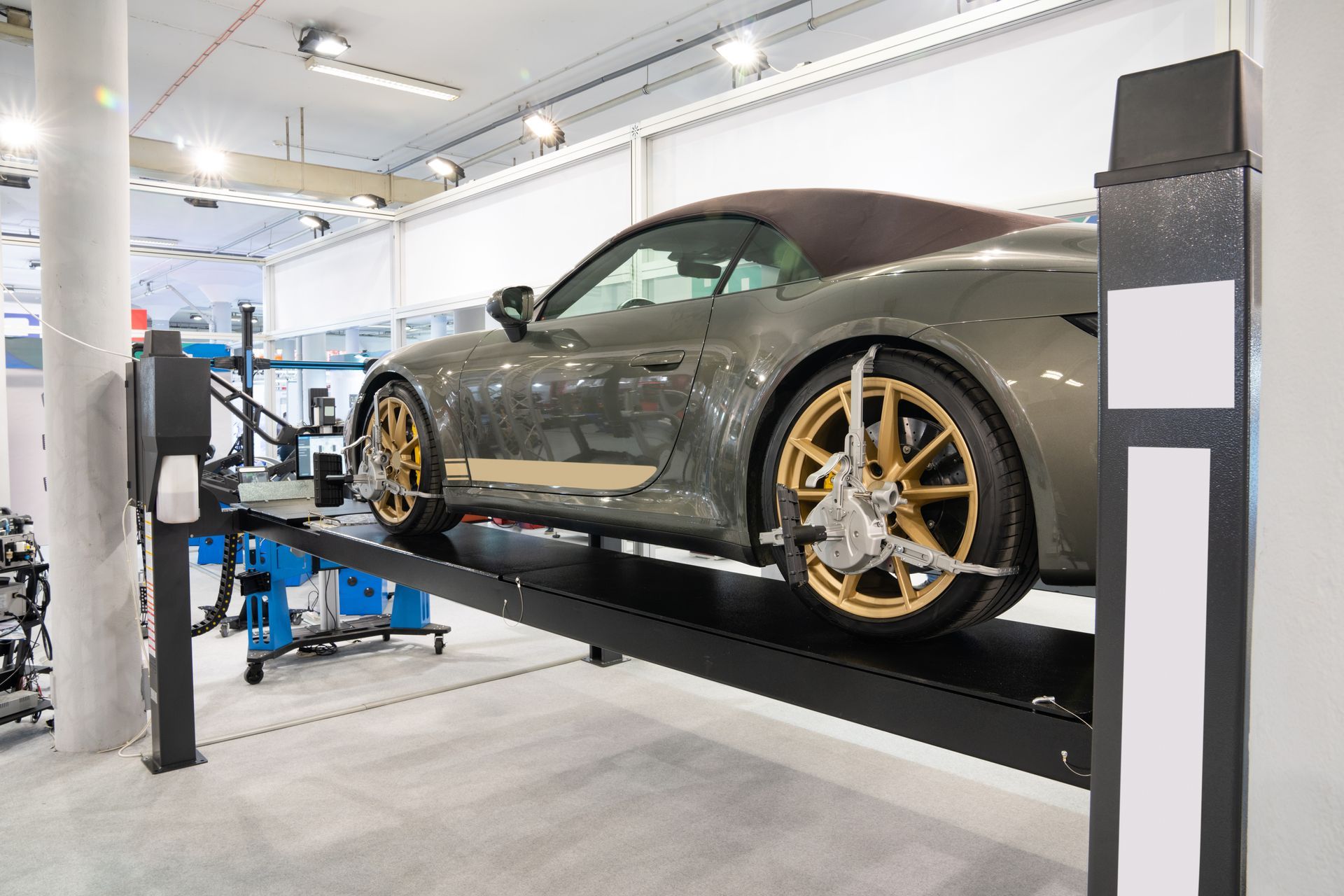
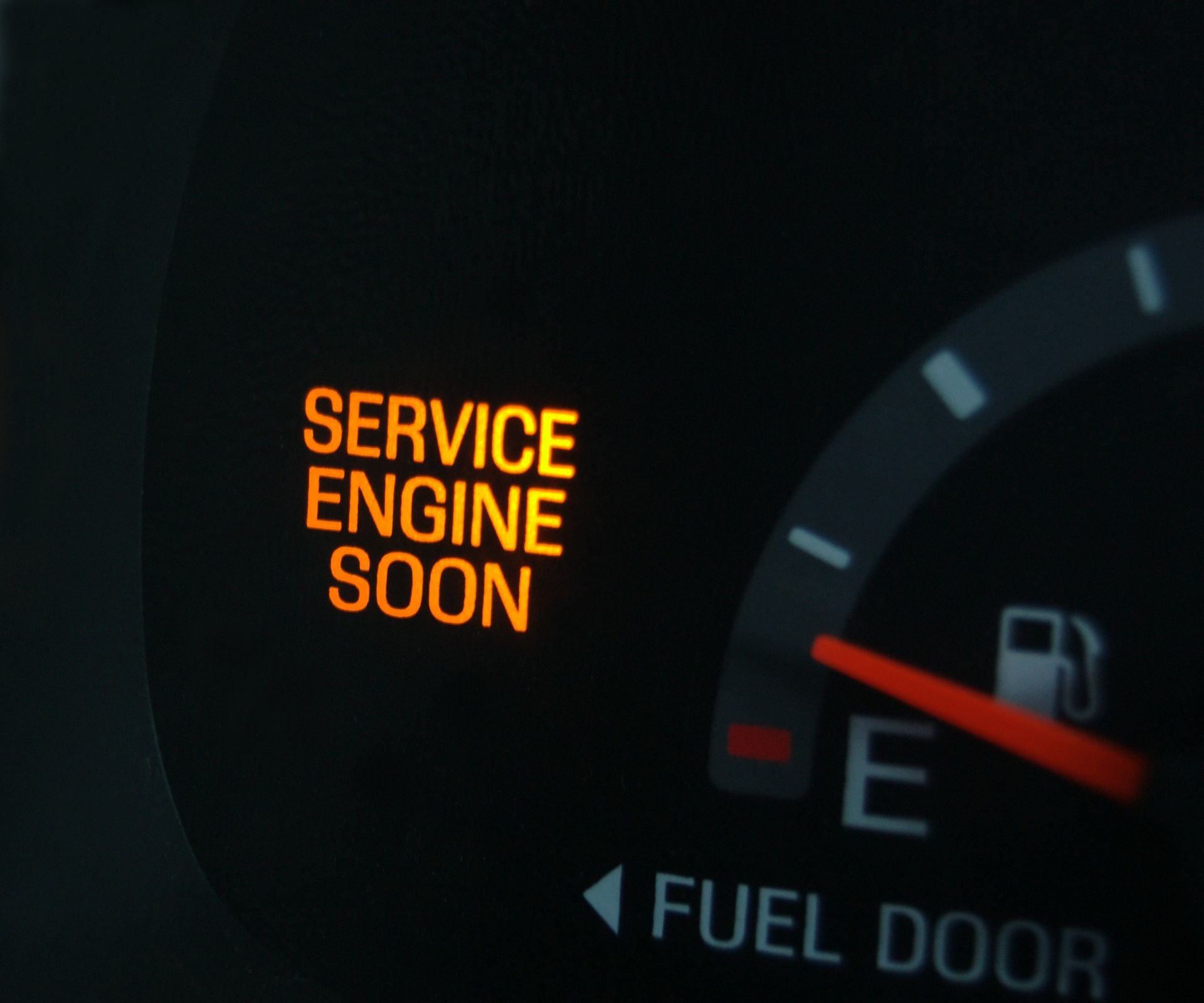
A light that stays on after startup, a chime paired with a skid icon, or a message about limited stability assistance all point to a fault. Many issues start with sensor inputs. A damaged wheel speed sensor wire after a pothole hit can disable both systems. A steering angle sensor that is not calibrated after alignment can confuse stability logic. A yaw sensor that has water intrusion under the carpet can flag an intermittent fault only on long curves. If the car suddenly feels eager to spin a tire in the rain or no longer corrects gentle slides, testing is due.
Driving Tips That Work With the Systems, Not Against Them
Smooth inputs are your friend. On slick surfaces, roll into the throttle rather than stabbing it, so traction control does not have to pull power. Look far ahead and turn the wheel in one clean motion rather than a series of quick corrections.
If stability control begins to intervene in the same corner every morning, slow the entry a touch and make sure your tires have healthy tread across the inner and outer ribs. The systems are helpers, not miracles. They are most effective when the tires have something to work with.
Stay in Control with Snider Automotive in Nashville, TN
If your dash shows traction or stability warnings, or the car no longer feels secure in the rain, Snider Automotive will find the reason and restore full assistance. We scan for precise codes, verify sensor signals, calibrate steering and yaw inputs, and check tires and alignment so every intervention feels clean and predictable.
Call us to schedule, or stop by our Nashville shop, and head out with a car that tracks straight, grips well, and backs you up when the road gets tricky.