You pull the washer control, hear a faint motor sound, and get nothing on the windshield. After an overnight freeze, the fluid may be solid or partly frozen. Holding the control won't move ice through the lines, and it can add stress to a system that needs thawing before it can work normally.
Frozen washer fluid can affect more than convenience. The reservoir, pump, hoses, and spray outlets can all be affected, although freezing doesn't guarantee every component is damaged. For Nashville drivers, the useful response is to stop operating the system, restore safe visibility, and assess it after a controlled thaw.
Washer Fluid Freeze Protection Depends On The Mixture
Washer products are formulated for different temperatures and uses. A summer cleaning fluid may not offer enough protection for a cold overnight forecast. Water added to a reservoir can also dilute a winter product and reduce its protection, even when the original bottle carried a reassuring temperature rating.
The fluid already in the tank affects the final mixture. Topping up summer fluid with a small amount of winter fluid doesn't necessarily produce the winter bottle's rated protection throughout the system. Follow product and vehicle instructions, and choose protection suitable for expected lows rather than the average temperature during your daytime commute.
Ice Can Stress The Windshield Washer Reservoir
When a water-rich mixture freezes, expansion can put stress on the reservoir and surrounding fittings. Whether damage occurs depends on the mixture, how full the tank was, its shape, and where ice forms. The reservoir may survive intact, develop a crack, or leak at a seal or connection.
You may not see a leak until the ice melts. A reservoir that appears to hold frozen fluid can therefore still need checking afterward. Watch for fluid collecting beneath the vehicle or a level that drops unexpectedly after refilling. The leak location should be confirmed before replacing a tank that may simply have a damaged hose or pump seal.
A Frozen Washer Pump Can Be Overloaded
The pump is designed to move liquid, not force frozen material through a blocked system. If ice prevents its normal movement or blocks the fluid path, repeated operation can strain the motor. Depending on the design and fault, the circuit may lose power through protective equipment, or the pump may suffer damage.
Don't keep holding the control because you can hear the pump trying. A sound proves that something is operating, but it doesn't prove fluid can reach the windshield. Stop using the system until it has thawed. Afterward, testing can determine whether the pump and its electrical supply still work as intended.
Washer Hoses And Nozzles Can Freeze Separately
The reservoir isn't the only place ice can form. Narrow hoses and exposed spray outlets can remain blocked even when some fluid in the tank has become liquid. Rear-window washers, when fitted, may have longer lines and a different thawing pattern from the front system.
This helps explain why adding fluid doesn't always restore spray immediately. A blocked outlet, disconnected hose, or frozen section farther along the route can interrupt delivery. Don't force sharp objects into a nozzle or pull apart brittle, cold fittings. The inspection should trace the fluid path and identify where delivery stops.
Thaw Washer Fluid Without Creating Another Problem
Allow the vehicle and system to thaw in a suitable warm environment when one is safely available. Engine heat may warm some components, but it doesn't guarantee the entire washer system has thawed. Reservoirs and hoses can sit away from the warmest areas of the engine compartment.
Avoid boiling water, open flames, or unapproved heating equipment. Don't add engine coolant, household chemicals, or improvised alcohol mixtures to the washer tank. A product intended for another system can damage materials or create visibility and handling concerns. Follow the manufacturer's instructions for the correct washer fluid and any approved additives.
Inspect Washer Operation After The Thaw
Once the system is fully thawed, check it using the appropriate operating procedure. Useful observations include:
- Whether fluid stays in the reservoir after filling.
- Whether the pump operates when commanded.
- Whether both front outlets deliver a suitable spray.
- Whether hoses or connections leak during operation.
- Whether the rear washer works normally if the vehicle has one.
A weak spray or continuing loss of fluid deserves further inspection. The technician can distinguish a damaged component from a remaining blockage, an electrical issue, or normal wear that became noticeable during the freeze.
Frozen Washer Fluid Can Leave The Windshield Unsafe
Road spray, dirt, and other contamination can quickly obscure the glass when the washer can't help clear it. Wipers alone may smear the material rather than remove it. Before driving, make sure the windshield is clear, and you can maintain adequate visibility for the conditions along the route.
If the glass becomes obscured during a trip, pull over safely instead of continuing to peer through a small clear area. Wait for safe conditions or arrange assistance. Restoring washer operation is useful preparation, but it doesn't justify driving with an obstructed view while you wait for the system to thaw.
Prepare The Washer System Before Nashville's Next Freeze
Review the fluid in the reservoir before temperatures fall. Where the existing mixture is unsuitable or unknown, ask about correcting it rather than repeatedly diluting it with different products. Once an appropriate fluid is installed, the lines also need to contain a suitable mixture through normal operation when the system is safe to use.
Inspect wipers and delivery at the same time. Cracked hoses, weak spray, and a slowly falling fluid level can be easier to address before cold weather adds another complication. Keep the product information available so you know its intended use and temperature protection when topping up later.
Get Windshield Washer Service In Nashville, TN
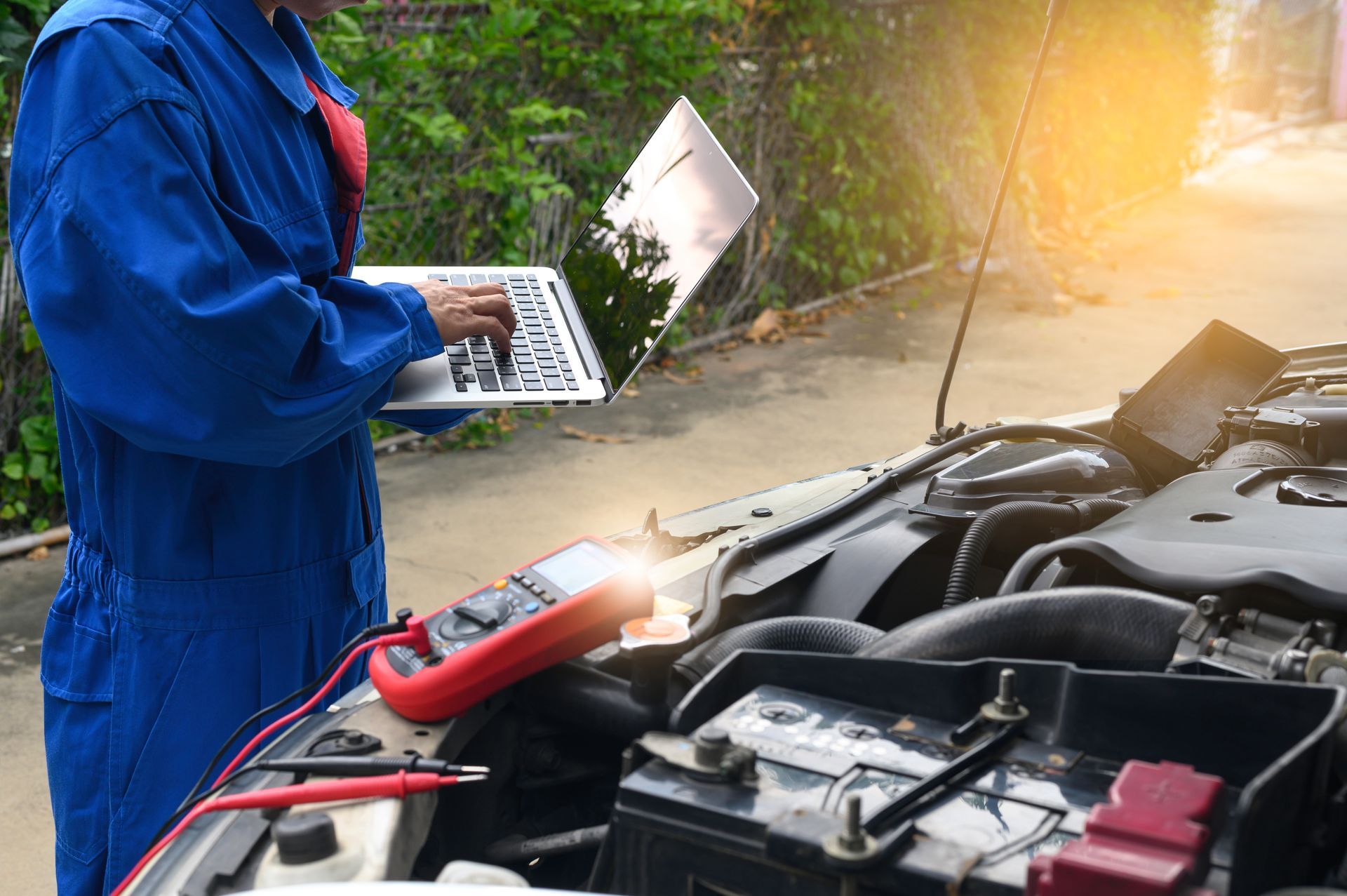
Snider Automotive in Nashville, TN, can inspect washer systems that stop spraying, leak, or work poorly after a freeze. We can check the pump, reservoir, lines, and electrical operation, and explain the work needed based on what we find.
Contact us to schedule a windshield washer inspection before the next cold spell.