Your engine has a way of letting you know when something is not right. The problem is that many of those warning signs start out small. A little extra noise, a strange smell, a rough idle, or a dashboard light may not seem like a big deal at first. Then weeks pass, the issue gets worse, and what could have been a manageable repair turns into a much bigger one.
We see that happen in our shop more often than drivers realize. Most engine problems do not appear out of nowhere. They usually build over time. That is actually the good news. If you know what to watch for, you have a much better chance of catching trouble early and avoiding serious damage.
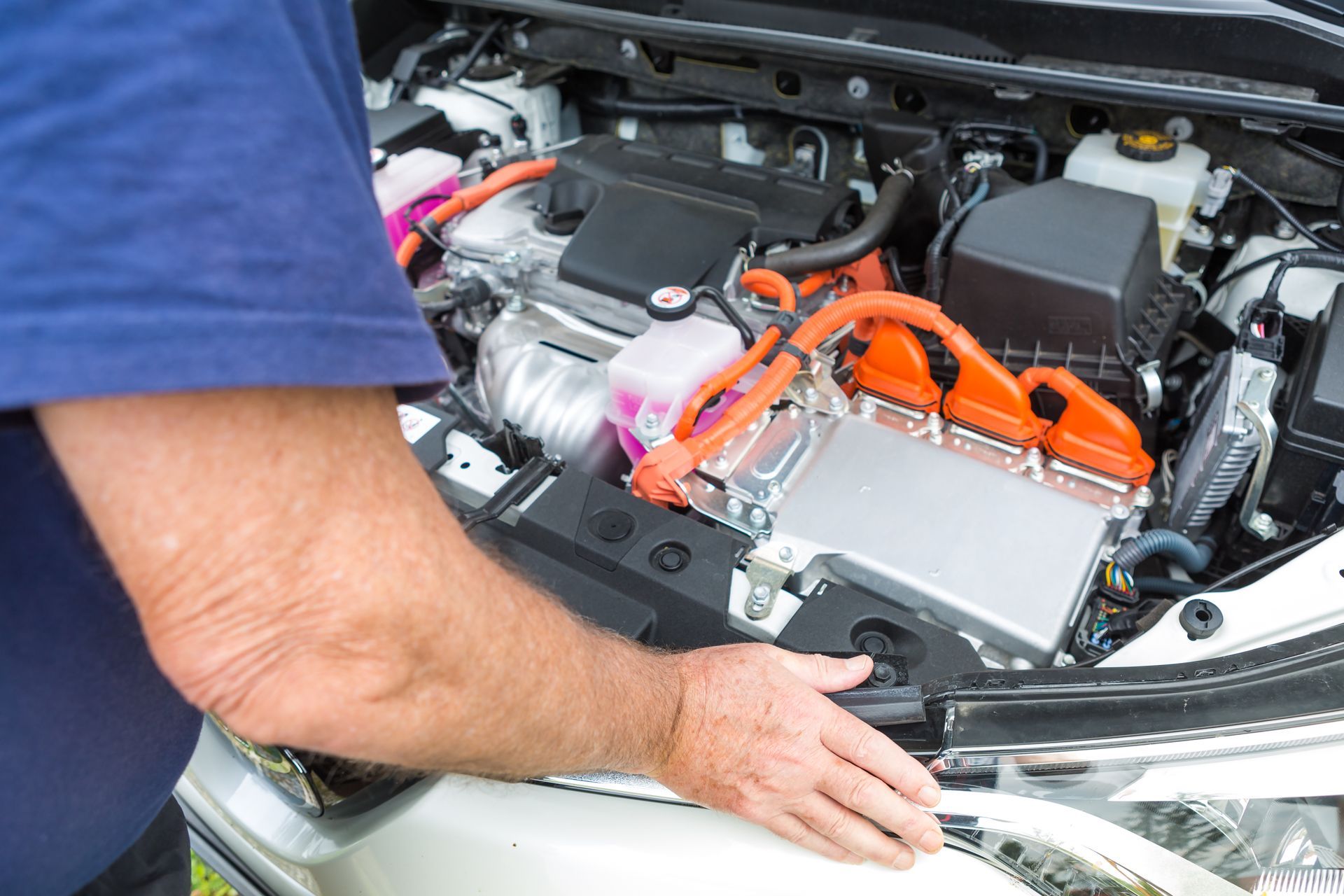
Engines are complicated, but the early signs of trouble are often surprisingly simple. Paying attention to how your vehicle sounds, feels, and performs can go a long way toward protecting it.
1. Oil-Related Engine Wear
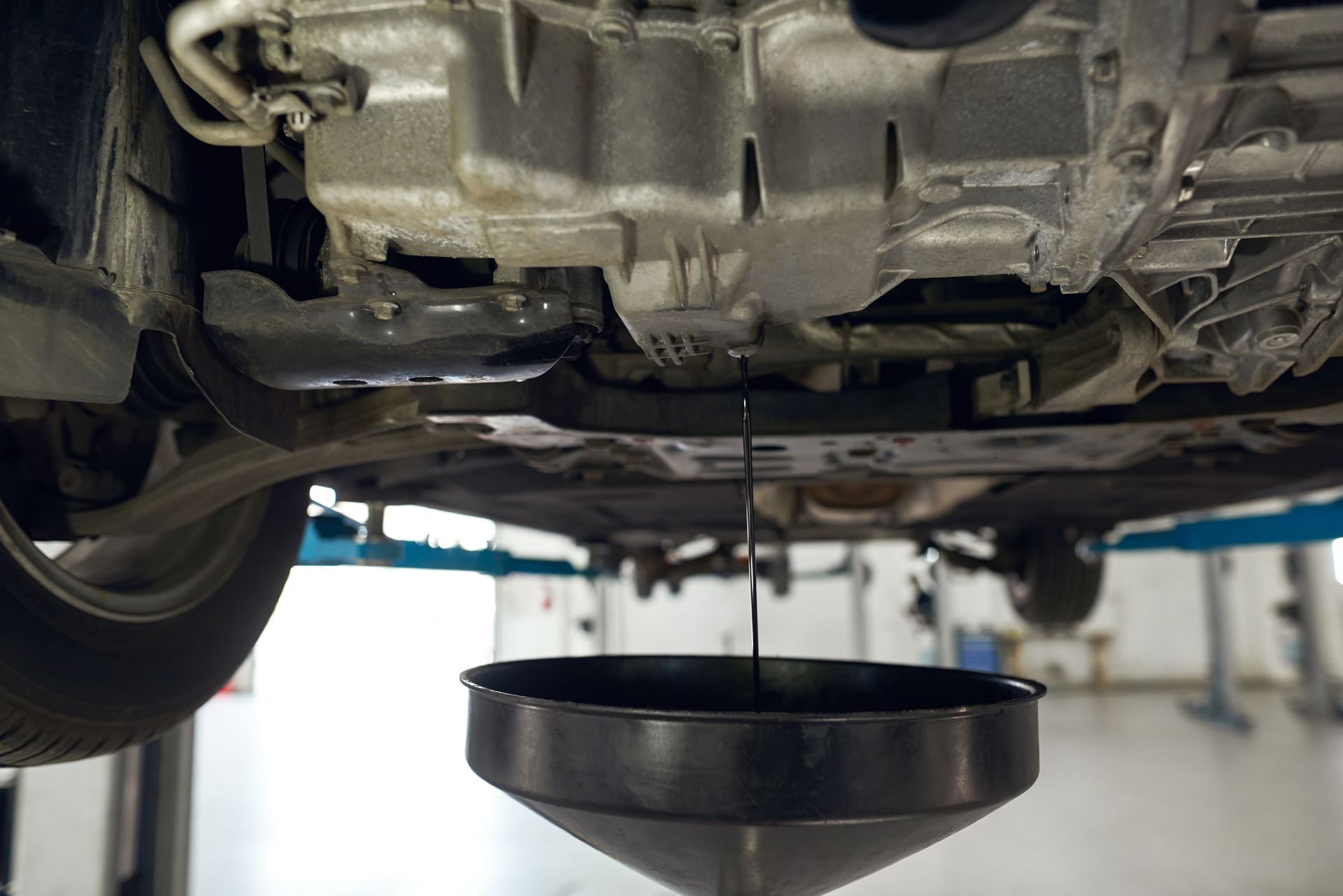
If we had to name one of the most common engine issues we see, it would be damage tied to poor oil condition or low oil levels. Engine oil is what keeps internal components lubricated, cooled, and protected from friction. When oil gets old, dirty, or too low, those parts start rubbing together with more heat and wear than they should.
This kind of problem often sneaks up on drivers. The car may still run, but the engine is slowly losing protection every mile.
Signs To Watch For
- Oil warning light on the dashboard
- Knocking, ticking, or louder engine noise
- Dark, gritty, or very low oil on the dipstick
- Burning oil smell or visible oil leaks
- Engine running hotter than normal
Older vehicles and high-mileage engines are especially vulnerable here. We always tell customers that staying on top of oil changes is one of the cheapest ways to avoid some of the most expensive engine repairs.
2. Overheating Problems
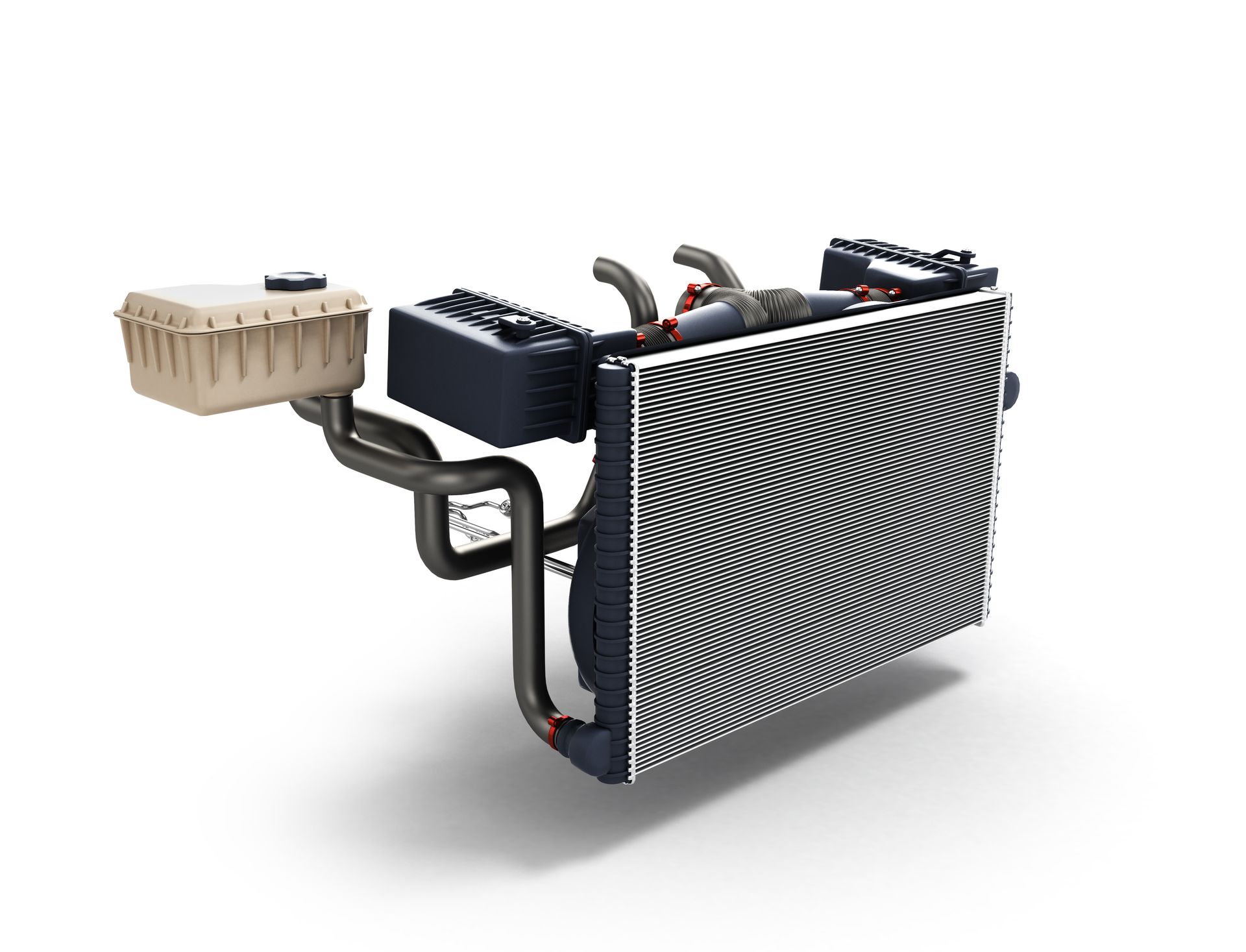
An overheating engine is never something to ignore. Your cooling system is responsible for keeping engine temperatures under control, and when something in that system starts to fail, the engine can heat up fast. Low coolant, a failing thermostat, radiator trouble, water pump issues, or a cooling fan problem can all lead to overheating.
Even one overheating episode can cause serious damage in some cases. We are talking about warped components, blown head gaskets, and repairs that get expensive quickly.
Signs To Watch For
- Temperature gauge rising higher than usual
- Steam coming from under the hood
- Sweet smell from leaking coolant
- Coolant puddles under the vehicle
- Heater not working properly when the engine is hot
A lot of drivers assume they can “just make it home” when a car starts overheating. That is a risky gamble. If the temperature climbs too high, the safest move is to stop driving and have it checked.
3. Ignition Or Misfire Issues
When an engine misfires, one or more cylinders are not firing the way they should. That can happen because of worn spark plugs, failing ignition coils, fuel delivery problems, or even internal engine issues. Sometimes it starts subtly, and other times it is obvious right away.
A misfiring engine does not just feel bad to drive. It can also hurt fuel economy, reduce performance, and in some cases damage other components if left alone.
Signs To Watch For
- Rough idle or shaking while stopped
- Hesitation when accelerating
- Check engine light flashing or staying on
- Noticeable loss of power
- Poor gas mileage
This is one of those problems where drivers sometimes wait because the vehicle still runs “well enough.” We would not recommend that. The longer a misfire continues, the more likely it is to create extra wear and lead to more complicated repairs.
4. Head Gasket Trouble
Head gasket problems can be some of the most stressful engine repairs for drivers because they affect the seal between critical engine components. When the head gasket fails, coolant and oil can end up where they do not belong, compression can be lost, and the engine can overheat or run poorly.
Not every engine with head gasket trouble will fail dramatically all at once. Sometimes the early symptoms are mild enough that people miss them.
Signs To Watch For
- Unexplained coolant loss
- White smoke from the exhaust
- Milky or frothy oil
- Engine overheating repeatedly
- Bubbles in the radiator or coolant reservoir
This is an issue that really benefits from early diagnosis. Catching it before the engine suffers major overheating or contamination can make a big difference.
5. Timing Chain Or Belt Problems
Your engine’s timing components keep the internal moving parts working in sync. If the timing belt is worn or the timing chain has stretched or developed tension issues, engine performance can suffer. In some engines, a broken timing belt can cause major internal damage almost instantly.
This is why timing-related problems deserve serious attention, especially if your vehicle is due for preventive service based on mileage.
Signs To Watch For
- Rattling noise from the engine, especially on startup
- Trouble starting the vehicle
- Rough running or loss of performance
- Check engine light
- Service history showing the timing belt is overdue
A lot of timing issues start with noise or drivability changes that seem minor. Those early warnings matter. We would much rather inspect a suspicious rattle now than help someone deal with the aftermath of a failed timing component later.
Why Early Detection Matters So Much
The common thread in all five of these problems is that they tend to give some kind of warning before they become severe. That is why paying attention to your vehicle is so important. Most engines do not go from healthy to major failure overnight. They leave clues.
Here are a few signs that should always get your attention:
- New noises like knocking, rattling, ticking, or hissing
- Warning lights, especially the check engine or oil light
- Changes in power, fuel economy, temperature, or starting behavior
- Leaks, smoke, or unusual smells coming from the engine area
Drivers know their own cars better than they think. If your vehicle feels different, sounds different, or starts behaving differently, there is usually a reason.
What We Tell Customers In The Shop
One of the most common things we hear is, “I noticed it a while ago, but it did not seem serious.” That is completely understandable. Life gets busy, and small car problems are easy to push down the list. But engines reward early attention. A rough idle today could be a tune-up issue. Ignore it long enough, and it could turn into damage that affects other parts of the system.
We are not saying every little noise means disaster. Sometimes the fix is simple. But the only way to know is to have it inspected before the symptoms get worse.
That is especially true if your vehicle has high mileage, if you have missed maintenance, or if the warning signs are becoming more frequent. Engines can last a very long time when problems are caught early, and maintenance stays consistent.
Do Not Wait For A Breakdown
A lot of people wait until the car leaves them stranded before taking engine trouble seriously. By then, your options are usually more limited and more expensive. Spotting a problem early gives you more control, more flexibility, and a better chance of avoiding major downtime.
At our shop, we believe engine care is not just about repairs. It is about helping drivers stay ahead of trouble before it grows. Whether it is a leak, a misfire, overheating, or a suspicious engine noise, we would much rather help you solve it early than see you after the damage has spread.
Get Engine Repairs at Snider Automotive
If your engine is showing any of these warning signs, let
Snider Automotive in Nashville, TN, take a look. We can diagnose the problem, explain what is going on in plain language, and help you protect your vehicle before a small issue turns into a major repair. Call us today or stop by to schedule an engine inspection.